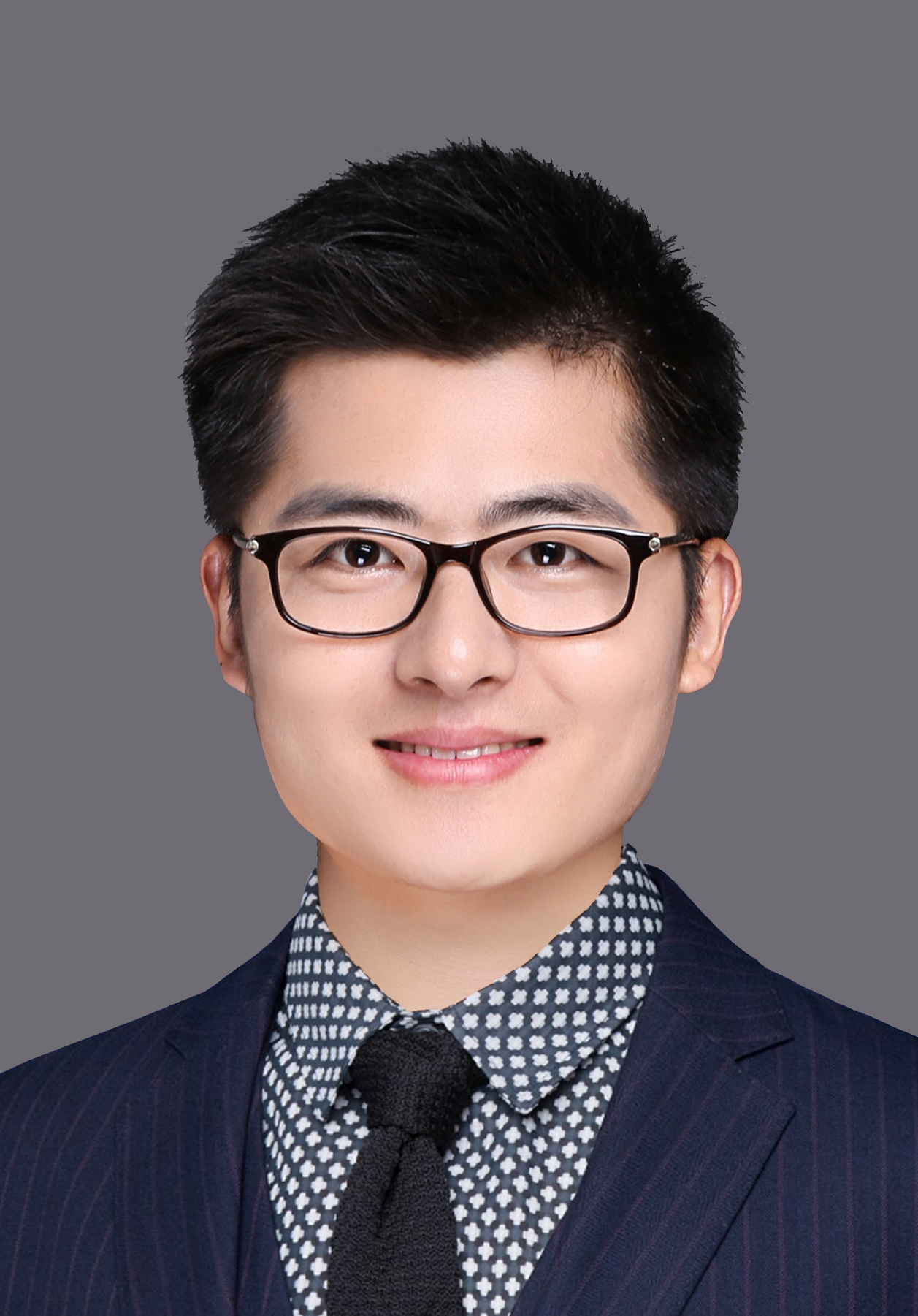
Fangzheng Tian
Fangzheng Tian is a PhD of Department of Computer Science & Artificial Intelligence at Jeonbuk National University. His research interests include machine learning, computer vision, digital human, SLAM, depth estimation, 3D reconstruction and medical image processing.
Educational Background
- 2021.09-Now: Ph.D in JBNU Vision and Learning Lab (JVL), Jeonbuk National University.
- 2021.06: M.S in International Joint Research Lab of Intelligent Perception and Control, Shanghai University of Engineering Science.
- 2017.06: B.S in School of Electrical and Electronic Engineering, Shandong University of Technology.
Publications
- Jia Gu, Fangzheng Tian (Equal contribution), and Il-Seok Oh. "RAMIS: Increasing Robustness and Accuracy in Medical Image Segmentation with Hybrid CNN-Transformer Synergy."
Neurocomputing, 2024
(SCI; IF:5.5; 二区Top; CCF推荐) |
paper
| code |
project page
- Fangzheng Tian, and Sungchan Kim.
"LEAPSE: Learning Environment Affordances for 3D Human Pose and Shape Estimation."
IEEE Transactions on Image Processing (TIP), 2024 (SCI; IF:10.6; 一区Top; CCF-A类期刊) |
paper
- Fangzheng Tian, and Sungchan Kim. "Globally-Robust Instance Identification and Locally-Accurate Keypoint Alignment for Multi-Person Pose Estimation."
Proceedings of the 31st ACM International Conference on Multimedia.
(ACM MM), 2023 (CCF-A类会议) |
paper |
code |
project page |
video |
poster
- Jia Gu, Fangzheng Tian, and Il-Seok Oh. "Retinal vessel segmentation based on self-distillation and implicit neural representation."
Applied Intelligence (APIN), 2022 (SCI; IF:5.3; 二区; CCF推荐) |
paper |
demo
- Yongbin Gao (advisor), Fangzheng Tian, Jun Li, Zhijun Fang, Saba Al-Rubaye, Wei Song, and Yier Yan.
"Joint Optimization of Depth and Ego-Motion for Intelligent Autonomous Vehicles."
IEEE Transactions on Intelligent Transportation Systems (T-ITS), 2022 (SCI; IF:8.5; 一区Top; CCF-B类期刊) |
paper
- Fangzheng Tian, Yongbin Gao, Zhijun Fang, Yuming Fang, Jia Gu, Hamido Fujita, and Jenq-Neng Hwang.
"Depth Estimation Using A Self-Supervised Network based on Cross-layer Feature Fusion and the Quadtree Constraint."
IEEE Transactions on Circuits and Systems for Video Technology (TCSVT), 2021 (SCI; IF:8.4; 一区Top; CCF-B类期刊) |
paper |
demo
- Fangzheng Tian, Yongbin Gao, Zhijun Fang, Jia Gu, and Shuqun Yang.
"3D reconstruction with auto-selected keyframes based on depth completion correction and pose fusion."
Journal of Visual Communication and Image Representation (JVCIR), 2021 (SCI; IF:2.6; CCF推荐) | paper
| demo
- Fangzheng Tian, Yongbin Gao, Zhijun Fang, and Jia Gu.
"Automatic coronary artery segmentation algorithm based on deep learning and digital image processing."
Applied Intelligence (APIN), 2021 (SCI; IF:5.3; 二区; CCF推荐) | paper
| demo
- JiaGu, ZhijunFang, YongbinGao, and FangzhengTian.
"Segmentation of coronary arteries images using global feature embedded network with active contour loss."
Computerized Medical Imaging and Graphics (CMIG), 2020 (SCI; IF:5.7; 二区) | paper
- Ma Shuo, Gao Yongbin, Tian Fangzheng, Huang Bo, Gu Jia, and Zhou Yilong.
"Keypoints and Descriptors Based on Cross-Modality Information Fusion for Camera Localization."
Wuhan University Journal of Natural Sciences (CSCD) 2021
- 田方正, 高永彬, 方志军, 顾佳.
"基于深度估计与自我运动联合优化的三维重建 3D reconstruction based on joint optimization of depth estimation and ego-motion."
传感器与微系统 (CSCD) 2021
- Gu Jia, Fang Zhijun, and Tian Fangzheng.
"全局特征及多层次特征聚合的冠脉分割算法 Global Feature and Multi-level Feature Aggregation Segmentation Algorithm for Coronary CTA."
计算机科学与探索 Journal of Frontiers of Computer Science and Technology (CSCD) 2020 | paper
- 马硕, 高永彬, 田方正, 卢俊鑫, 顾佳, 周意龙. "金字塔卷积和改进铰链损失的特征点检测方法 Feature Point Detection Method using Pyramid Convolution and Improved Hinge Loss." 导航定位学报 (CSCD) 2020 | paper
Patents
- First inventor. Three-dimensional reconstruction shooting platform, Patent number: CN202021308439.8 utility model patent. 2021.
- Third inventor. Coronary heart disease diagnosis device based on deep learning and non-invasive FFR measurement, Patent number: CN201921188560.9. utility model patent. 2020.
- Fourth inventor. Human-computer interaction intelligent robot dog, Patent number: CN201921213591.5. utility model patent. 2020.
- Fourth inventor. An ultrasound segmentation method for abdominal images, Patent number: CN201910989954.2. invention patent. 2020.
- Third inventor. A garbage truck, Patent number: CN202022775570.1. utility model patent. 2021.
- Fourth inventor. An indoor positioning and navigation system for unmanned aerial vehicles, Patent number: CN202011363891.9. invention patent. 2021.
- Fifth inventor. A system and method for behavior recognition based on skeleton data, Patent number: CN201910620715.X. invention patent. 2019.
Research Experiences
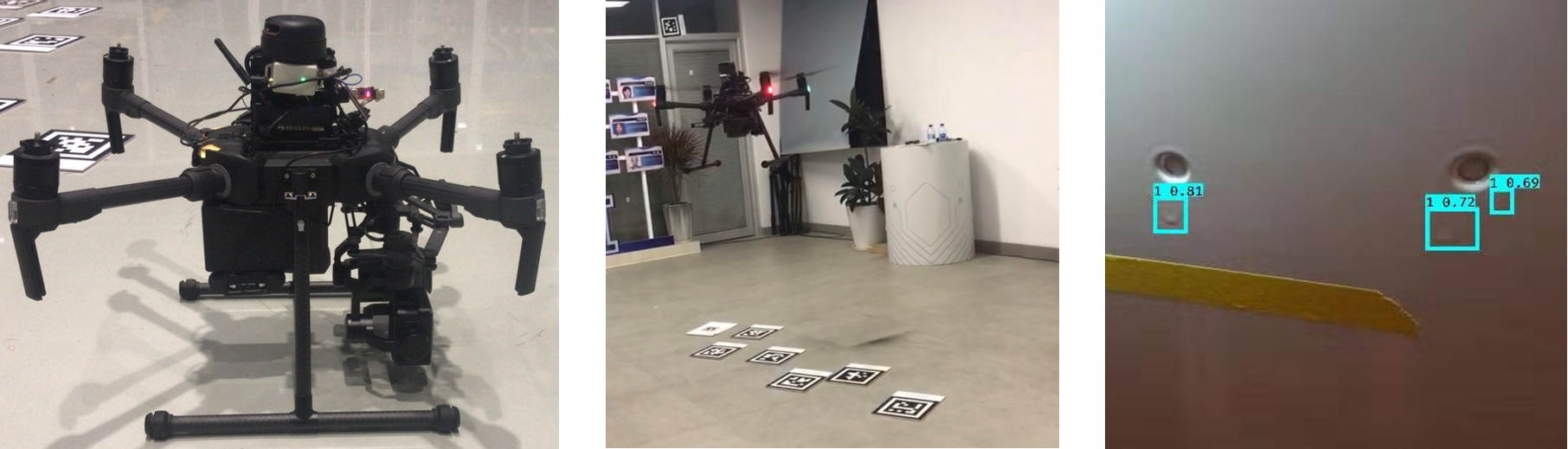
- 2019.04-2020.09 Airplane surface paint state intelligent detection system based on UAV | demo
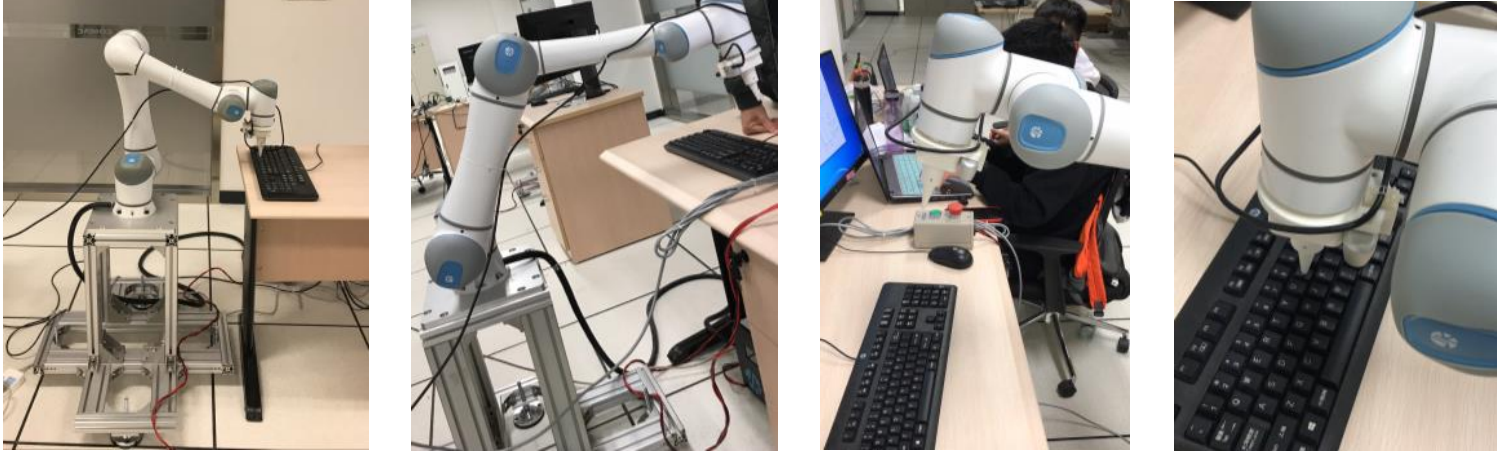
- 2019.09-2019.10 Precise manipulation of the mechanical arm
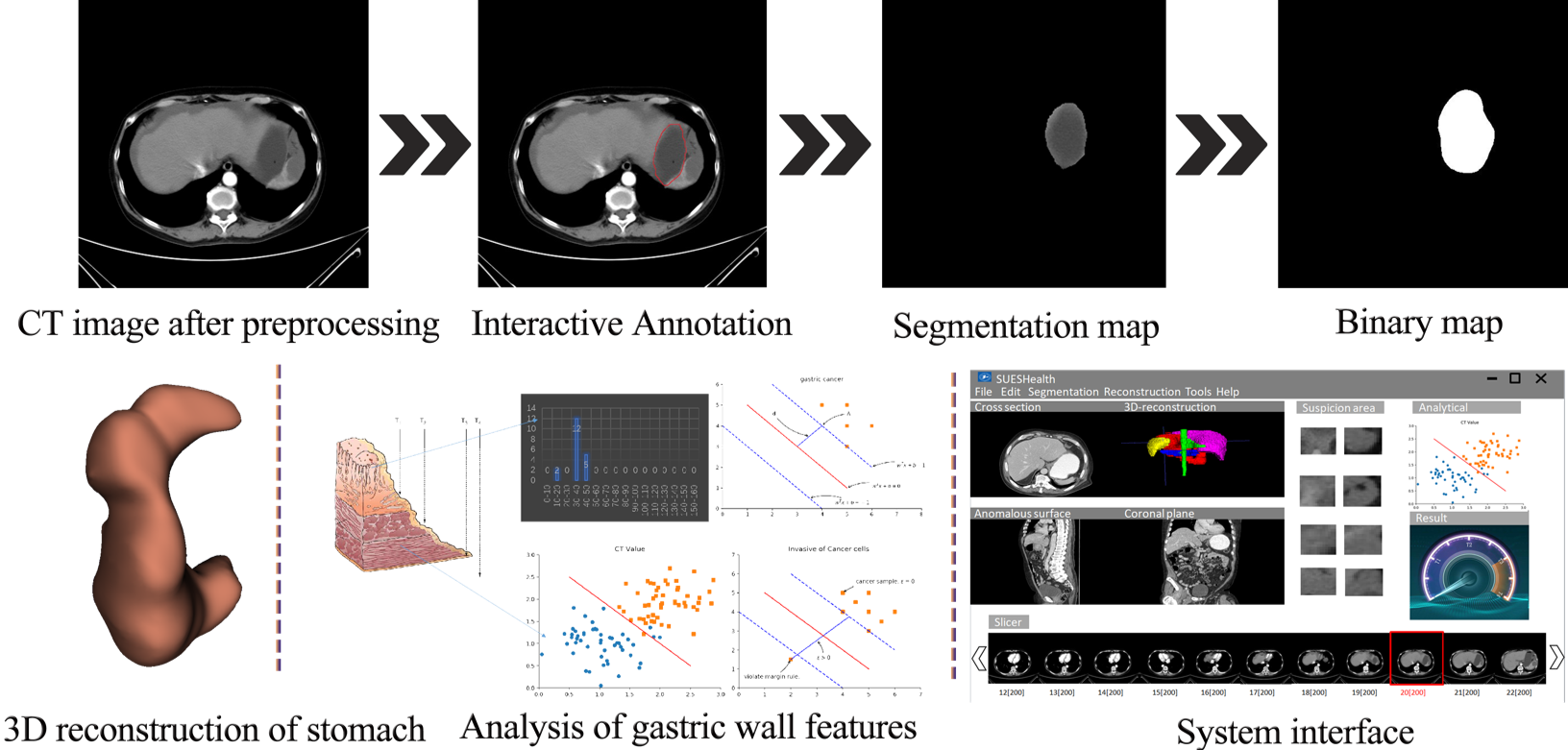
- 2020.04-2020.06 Early diagnosis system for gastric cancer based on CT images | demo
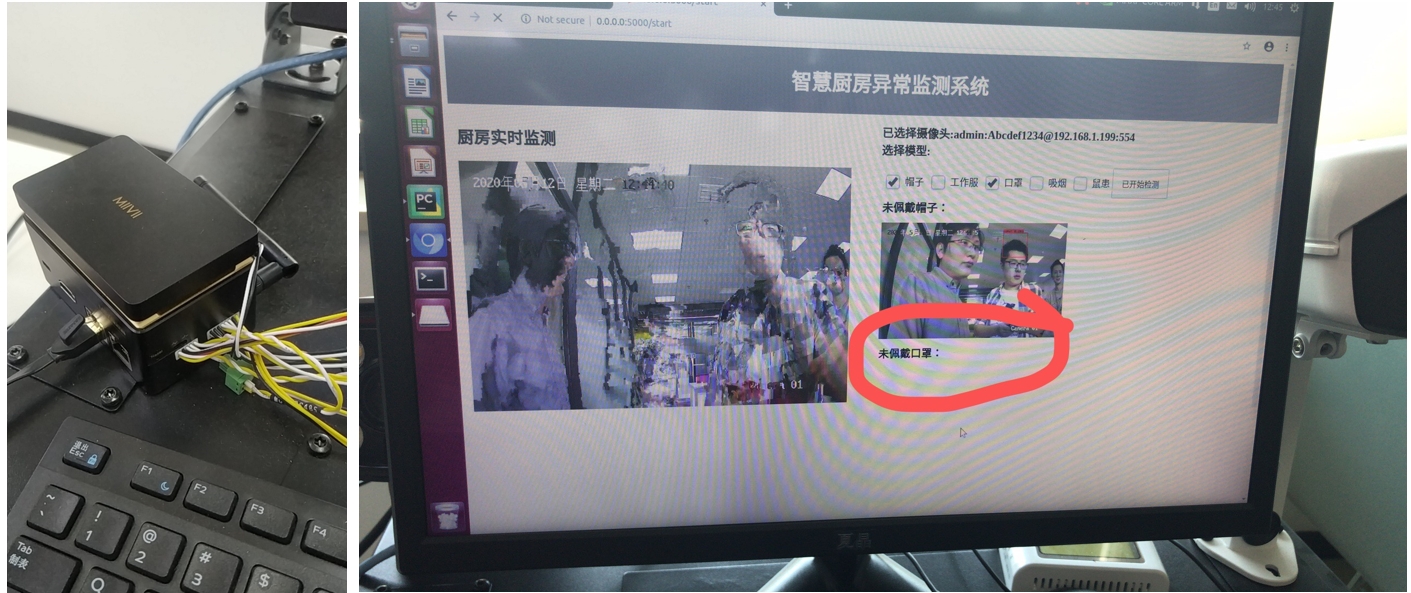
- 2020.12 Kitchen anomaly detection | demo
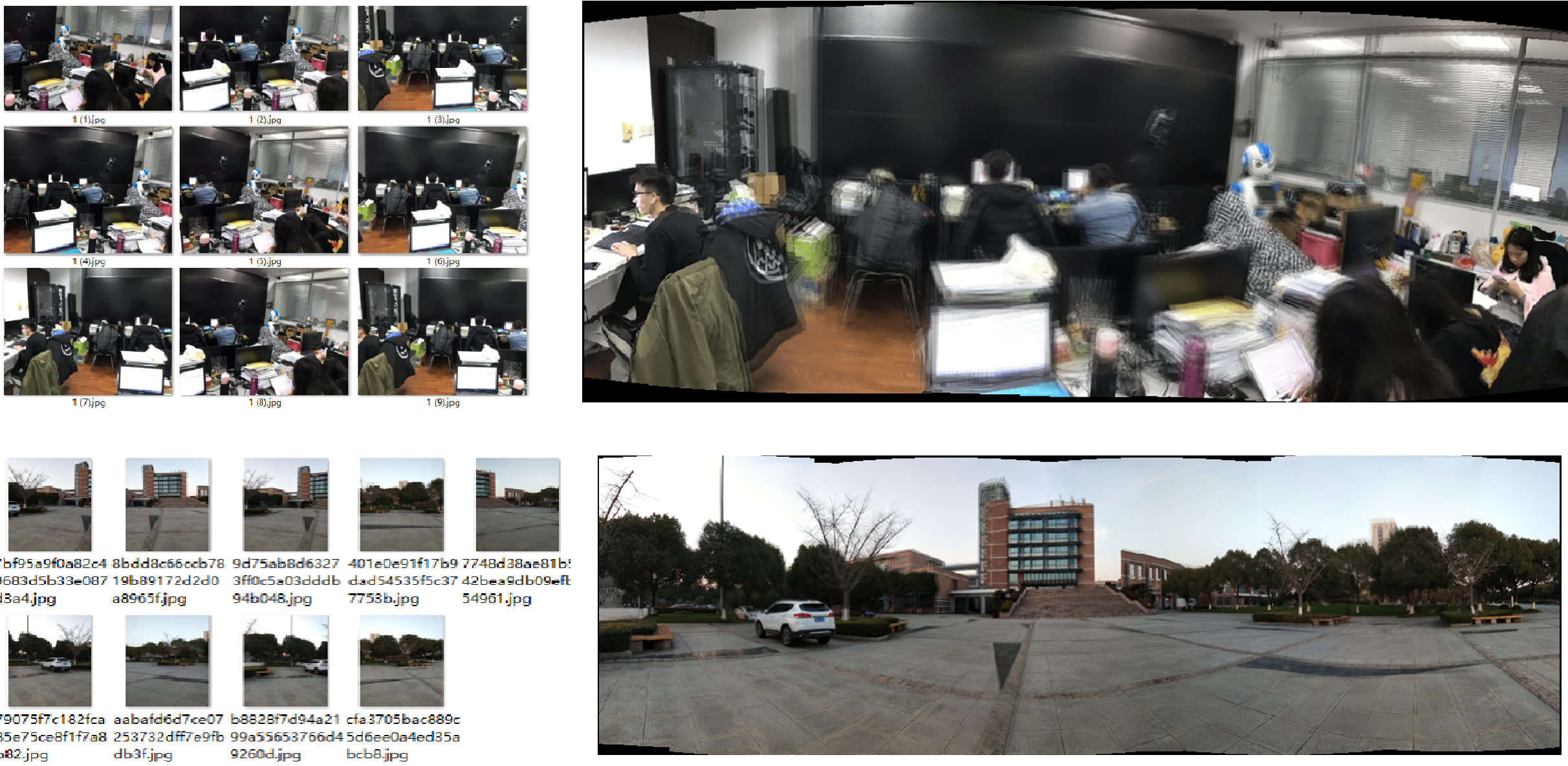
- 2018.06-2018.09 Automatic panoramic stitching of multiple disordered images
- 2020.03-2020.05 Participate in the compilation of the textbook "TensorFlow Application Case Tutorial"
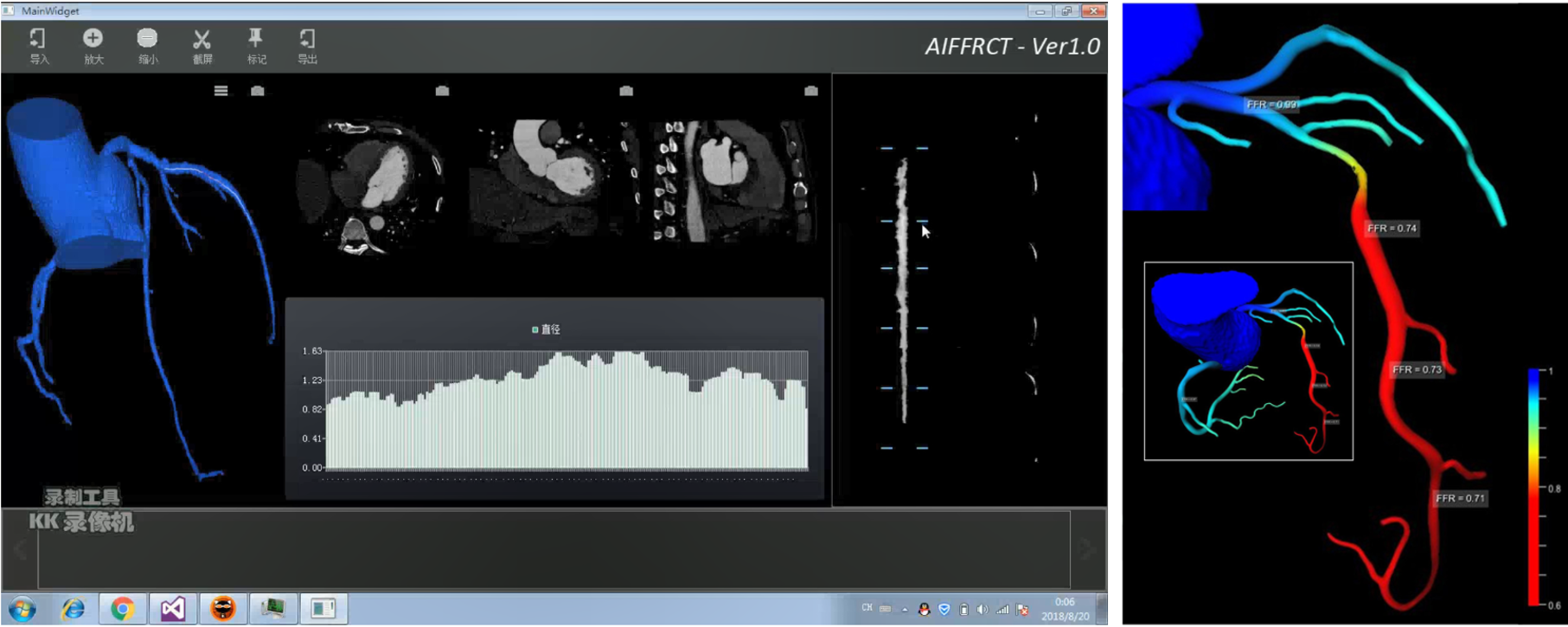
- 2018.10-2020.11 Coronary heart disease aided diagnosis system based on deep learning (college student innovation project) | demo
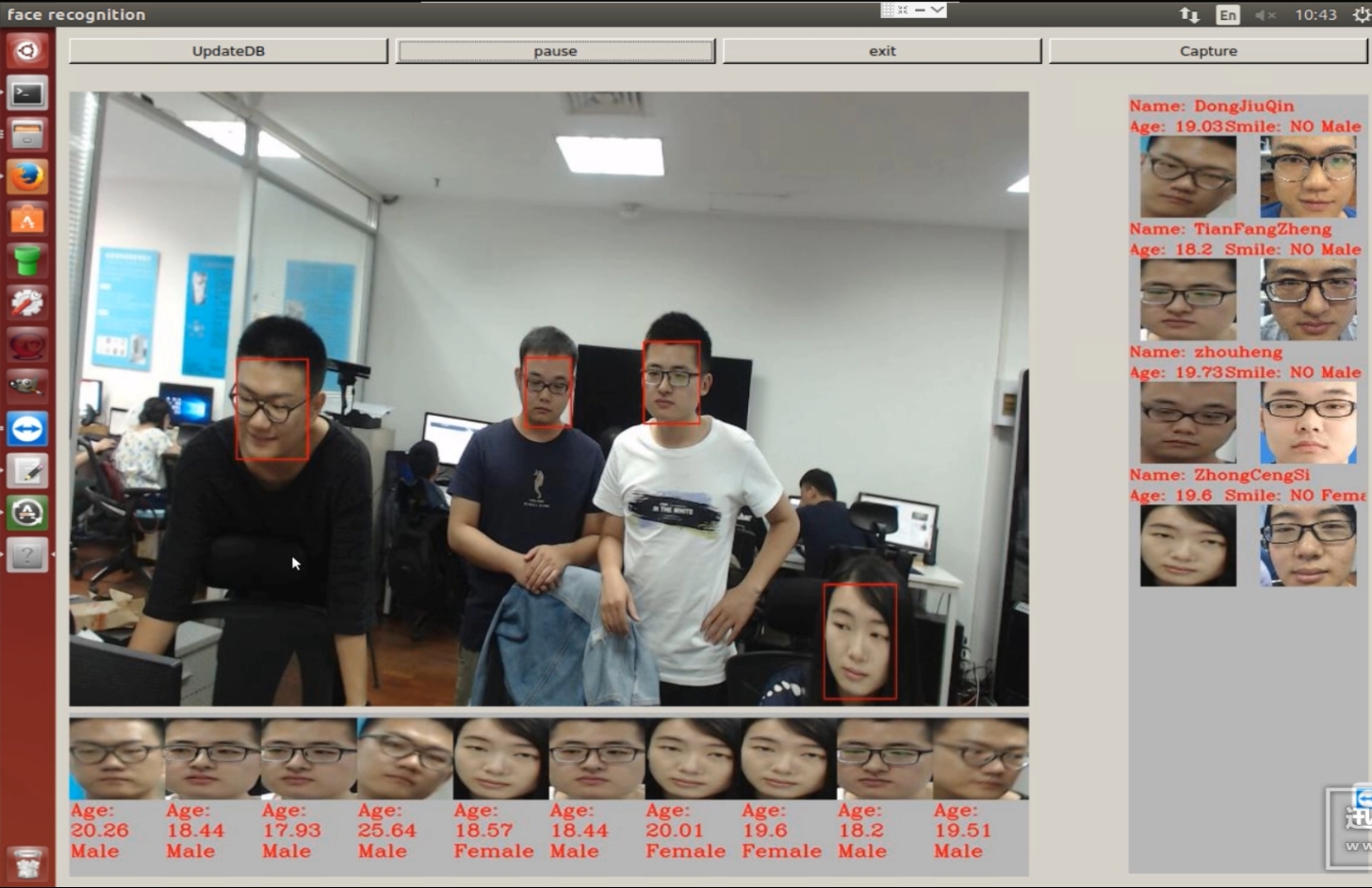
- 2018.10 Face recognition, gender recognition, age analysis | demo
- 2018.06-2018.09 Tilt correction of supermarket container image
Using UAV instead of manual work, based on multi-sensor, the UAV has the function of autonomous positioning and navigation in the room to collect data, and further combines machine vision with deep learning to realize defect detection on the surface of the aircraft, which is mainly responsible for the autonomous positioning of the UAV.
Use the camera at the end of the arm to guide the arm to tap the keyboard precisely and output the corresponding characters. The project won the 3rd prize of "Big Airplane Artificial Intelligence Innovation Application Competition"(project leader)
The CT images of patients were sent into the pre-trained machine learning model after a series of processing to give information such as whether the physical examination subject suffered from gastric cancer, accurately distinguish the pathological stage of gastric cancer and so on, and achieve T-stage diagnosis of gastric cancer. The project won the 2nd prize of the “The China Graduate Electronics Design Contest” and the 3rd prize of the “Smart City Competition”
Use the detection algorithm to detect irregular behaviors in the kitchen in real time, such as smoking, not wearing a mask, not wearing a hat, rats, etc. The algorithm is installed on the TX2 device.
Mosaic is regarded as a multi image matching problem, and the invariant local features are used to find the matching between all images. Our method is insensitive to the order, direction, proportion and illumination of the input image, and can recognize multiple panoramas in the disordered image dataset.
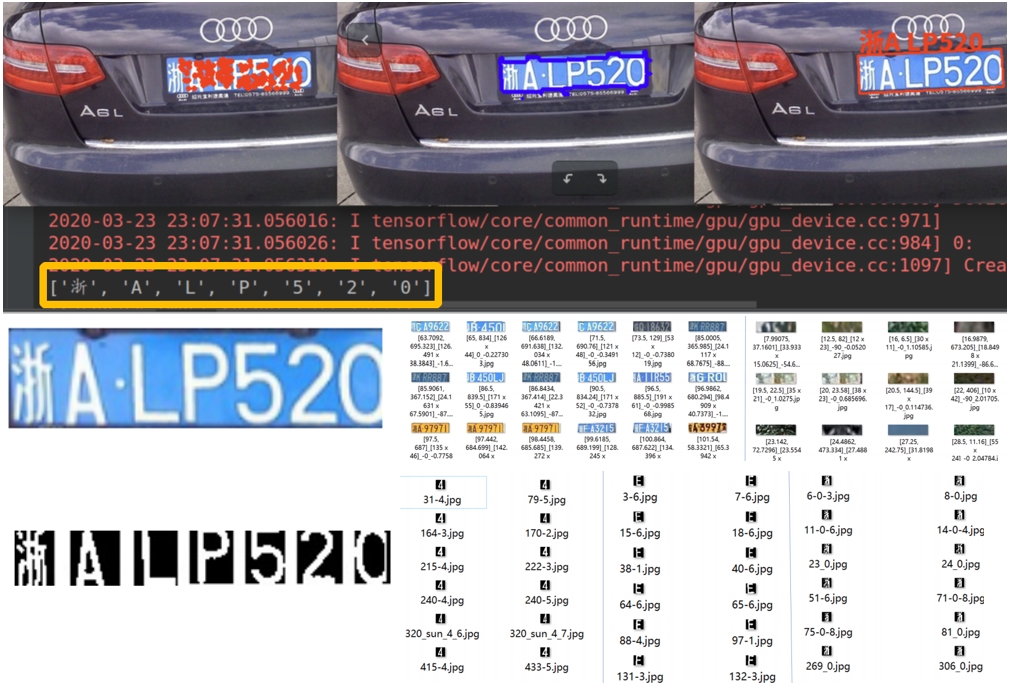
Mainly responsible for the compilation of target detection algorithms, including Faster R-CNN, YOLO, M2Det and license plate recognition cases.
Perform image segmentation, three-dimensional reconstruction, and blood vessel center line extraction on the CT images in the physical examination, and diagnose whether the examination has coronary heart disease by calculating the value of FFRCT.
Based on the personal photo database imported in advance, the camera is used to obtain the video, and the best match of the face is achieved based on rapid detection of the face to achieve face recognition.
By using pure image processing technology to correct the angle of the captured image, restoring the forward view shooting effect.
Foundation Items
- National Research Foundation of Korea (NRF): Development of an AI technique for creating hyper-realistic 3D digital humans that interact with a 3D virtual space environment from sentence descriptions, 2022R1A2C1011013, Mar. 2022 - Feb. 2026
- Institute of Information & Communications Technology Planning & Evaluation (IITP), 2021-0-02068, Jul. 2021 - Dec. 2025
- National Natural Science Foundation of China: Object-level visual SLAM dynamic 3D scene analysis and reconstruction, 61772328, 2018.01-2021.12
- National Natural Science Foundation of China: Research on 3D object detection and semantic reconstruction based on monocular multi-view depth map estimation, 61802253, 2019.01-2021.12
- National Natural Science Foundation of China: Basic Theory and Method of Mobile Internet Video Transmission for Self-Learning, 61831018, 2019.01-2023.12
- Key project of Shanghai Municipal Commission of Science and Technology: Application of CT image-based data mining for gastric cancer staging and initial construction of an intelligent auxiliary system for diagnosis and treatment decision-making, 18411952800, 2018.6.30-2021.6.30
- Science and Technology Innovation 2030 - "New Generation Artificial Intelligence" Major Project: Technology and Application of Automatic Knowledge Construction and Reasoning Decision-making in Industrial Field, 2020AAA0109300, 2020.11-2023.10
- Scientific and Technological Innovation 2030—Sub-project of "New Generation Artificial Intelligence" Major Project: Automatic Extraction and Construction of Knowledge Graph for Common Sense and Professional Knowledge, 2020AAA0109302, 2020.11-2023.10
- "Minguang Talent Program" of Shanghai Municipal Education Commission: Research on 3D Object Detection and Recognition in Monocular Camera, 17CG59, 2018.01-2021.12
- COMAC Shanghai Aircraft Manufacturing Co., Ltd.: "Design and R&D of Intelligent Detection System for Aircraft Surface Paint Status Based on UAV", 2018.10.10-2019.12.1
- In addition, participated in the Shanghai Science and Technology Commission Social Development Plan Science and Technology Innovation Action Plan Project (21DZ1204900), Guangzhou Science and Technology Project (202102010416), Guangzhou University-Hong Kong University of Science and Technology Joint Research Plan (YH202110), Guangzhou Software-defined Low Latency Key Network Laboratory (202102100006).
Awards and Honors
- Excellent Research & Presentation from South Korea’s BK21 Program, 2023
- National construction of high-level university public graduate project, 2022-2025
- Work-Study, Tuition Aid Scholarship, 2021, 2022, 2023
- International Student Scholarship, 2022
- Single Scholarship for science and technology activities, 2015, 2016
- Zhiyang Scholarship, 2015
- Qingdao Degute Scholarship, 2016
- Shandong University of Technology School Scholarship, 2014
- Mobile Communication Technology Innovation Scholarship, 2016
- Outstanding Student of Shandong Province’s “Three Going to the Countryside” Social Practice Activities, 2015
- Outstanding Student Leader of Shandong University of Technology, 2015
- Scholarship for outstanding students, 2018, 2019, 2020
- Second Prize of “The China Graduate Electronics Design Contest” in Shanghai, 2019
- National Third Prize in Mathematical Modeling, 2019
- The Bronze Award of the 10th "Challenge Cup" China College Students' Entrepreneurship Competition, 2016
- The Gold Award of the 10th "Challenge Cup" Shandong College Students' Entrepreneurship Competition, 2016
- The third prize of the 14th "Challenge Cup" Shandong University Students Extracurricular Academic Technology Works Competition, 2015
- The Silver Award in the First Shandong Province "Internet+" University Student Innovation and Entrepreneurship Competition, 2015
- Second prize of the first Shandong information technology and informatization competition, 2015